
I have loved reading since childhood, and even more so since I started university. One problem I often faced was mental exhaustion after long periods of continuous reading. After a few hours, my concentration would fade, my mind would wander, and I would find myself rereading the same paragraph over and over again.
This happened frequently until I discovered the Pomodoro Technique. Not only did it help me stay focused for longer periods of time, but it also made studying feel much less exhausting.

What is the Pomodoro Technique?
The Pomodoro Technique is a simple time-management method developed by Francesco Cirillo. All you need is a timer.
The process consists of five basic steps:
- Set a timer for 25 minutes.
- Work on a single task until the timer rings.
- When the timer rings, mark one completed Pomodoro.
- Take a short 5-minute break.
- After completing four Pomodoros, take a longer break of 15 to 30 minutes before starting again.
The technique can be applied to almost any type of work, but I have found it particularly useful for reading and studying.
When using Pomodoro for reading, there are three important principles to keep in mind:
1. Protect your focus
During each Pomodoro, eliminate as many distractions as possible.
Every interruption costs more than the time spent on the distraction itself. It also takes time and mental effort to return to the same level of concentration you had before.
2. Let your brain rest during breaks
The purpose of the break is recovery.
Avoid replacing study with another mentally demanding activity. Instead, use the time to stretch, walk around, make a cup of coffee or tea, meditate, listen to music, or simply look away from the screen and relax.
3. Resume promptly
The longer you delay restarting, the harder it becomes to regain momentum.
When the break ends, return to your task as soon as possible. Consistency is one of the main reasons the technique works.
Why does the Pomodoro Technique work?
One reason is that our attention naturally fluctuates over time.
Research on lectures and classroom learning has shown that students' attention tends to decline during long periods of continuous instruction. While the exact pattern varies between individuals, most people experience some degree of mental fatigue when focusing on the same task for an extended period.
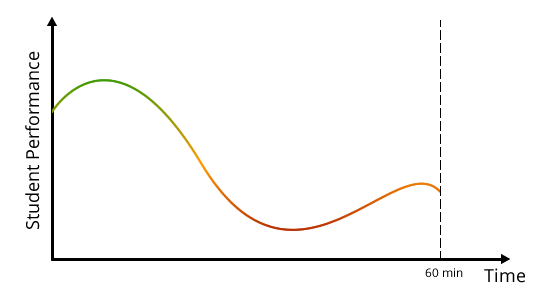
Introducing short breaks can help restore attention and reduce mental exhaustion.
Instead of pushing through fatigue, the Pomodoro Technique encourages regular recovery periods before concentration has completely collapsed. This helps maintain a more consistent level of performance throughout a study session.
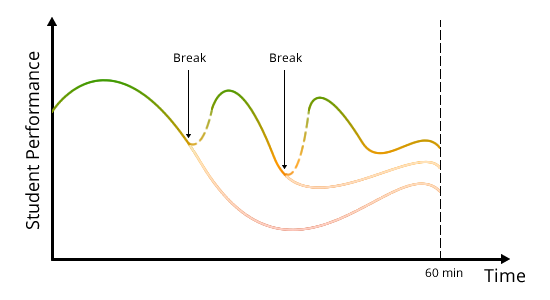
The breaks themselves are also psychologically rewarding. Knowing that a short rest is only a few minutes away makes it easier to stay committed to the task at hand.
My experience
When I first started using the Pomodoro Technique, I was surprised by how much easier long study sessions became.
Twenty-five minutes felt short enough to maintain full concentration, while the scheduled breaks prevented the feeling of being trapped behind a desk for hours. Over time, I found that I could study for longer periods with less fatigue and better consistency.
It did not make studying effortless, but it made it sustainable.
And sometimes, sustainability is more important than intensity.
If you often struggle with concentration, procrastination, or mental fatigue while reading, give the Pomodoro Technique a try. It costs nothing, requires no special tools, and may completely change the way you study.